7 signs that your deck needs immidiate repair - Before someone gets hurt
How to Spot Dangerous Deck Problems Before
They Lead to Costly Repairs or Injuries
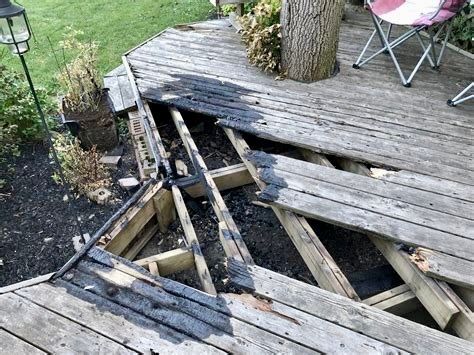
Your backyard deck is more than just an outdoor living space—it's where memories are made, BBQs are hosted, and summer evenings are spent with family. But when deck maintenance falls by the wayside, what should be a safe retreat can quickly become a dangerous liability. According to the North American Deck and Railing Association, thousands of deck-related injuries occur each year, many of which could have been prevented with timely repairs.
Whether you have a wooden deck, composite deck, or vinyl deck, knowing the warning signs of structural damage can protect your loved ones and save you from costly emergency repairs down the road. In this guide, we'll walk you through seven critical signs that your deck needs immediate professional attention.
Understanding When Deck Repairs Can't Wait
Not all deck issues require immediate attention, but some warning signs indicate serious safety hazards that Understanding When Deck Repairs Can't Wait. Not all deck issues require immediate attention, but some warning signs indicate serious safety hazards that demand prompt action. The difference between routine deck maintenance and emergency deck repair often comes down to structural integrity. When support beams, joists, ledger boards, or railings are compromised, the entire deck structure becomes unstable and dangerous.
The Real Cost of Delaying Deck Repairs
Not all deck issues require immediate attention, but some warning signs indicate serious safety hazards that demand prompt action. The difference between routine deck maintenance and emergency deck repair often comes down to structural integrity. When support beams, joists, ledger boards, or railings are compromised, the entire deck structure becomes unstable and dangerous. Postponing necessary deck repairs doesn't just risk injury—it can actually cost you more money in the long run. What might start as a minor deck board replacement can escalate into full deck reconstruction if water damage spreads to the underlying structure. Additionally, homeowners insurance may not cover injuries that occur on a deck with obvious, unaddressed safety issues.
Are you worried about your deck's safety? Contact our deck repair specialists today for a free inspection and estimate. Don't wait until a small problem becomes a major hazard.
Sign #1: Wobbly or Loose Deck
Railings That Move When Touched
Deck railings serve as your primary fall protection system, especially for elevated decks. If your deck railing shifts, wobbles, or feels loose when you apply pressure, it's failing at its most important job—keeping people safe.
Why Deck Railings Become Unstable
Several factors can cause deck railing failure:
- Loose or corroded fasteners: Over time, nails and screws can work themselves loose due to wood expansion and contraction
- Rotted post connections: Where railing posts attach to the deck frame, moisture can cause wood rot
- Improper original installation: Some deck railings were never properly secured to meet building codes
- Age and weather exposure: UV rays, rain, and temperature changes weaken connections over time
How to Test Your Deck Railing Safety
Perform this simple deck railing safety test: Firmly grab the top rail and push outward with about 200 pounds of force (the building code standard). The railing shouldn't move more than a quarter inch. If it shifts significantly, wiggles, or feels spongy, you need immediate deck railing repair.
Building codes require deck railings to withstand specific load requirements. A failing railing system puts everyone at risk, particularly children and elderly family members who rely on railings for stability.
Sign #2: Soft, Spongy, or Rotting Deck Boards
When you walk across your deck, the boards should feel solid and stable underfoot. If you notice soft spots, sponginess, or boards that feel like they're sagging, you're likely dealing with wood rot—one of the most common and dangerous deck problems.
identifying Rotted Deck Boards vs. Surface Damage
Surface weathering is normal and cosmetic, but wood rot is structural. Here's how to identify serious deck board rot:
- The screwdriver test: Press a flathead screwdriver into suspicious boards. If it sinks in easily, the wood is rotted
- Discoloration patterns: Dark streaks, green or black spots, or white fungal growth indicate moisture problems
- Crumbling edges: Rotted wood often crumbles or flakes when you scrape it
- Musty odor: Rotting wood produces a distinctive earthy, damp smell
Don't let deck rot spread to your support structure! Our certified deck inspectors can assess the extent of damage and provide same-day quotes for deck board replacement. Schedule your inspection now.
Sign #3: Visible Cracks or Splits in
Load-Bearing Components
Not all cracks are created equal. Small surface cracks in deck boards are often cosmetic, but deep splits in support posts, beams, or joists represent serious structural defects that require immediate deck repair.
Critical Areas to Check for Deck Cracks
Focus your deck inspection on these high-stress components:
- Deck support posts: Vertical posts that bear the deck's weight should be crack-free
- Ledger board: Where the deck attaches to your house, cracks indicate potential failure
- Rim joists: The outer frame boards that support deck flooring
- Stair stringers: The angled boards that support deck stairs
When Deck Cracks Become Dangerous
Hairline cracks that run parallel to the wood grain are usually less concerning than deep splits that run perpendicular or spiral around posts. Cracks wider than 1/8 inch, especially in pressure-treated lumber or structural components, indicate the wood is no longer capable of bearing its designed load.
Temperature changes cause wood to expand and contract, which can widen existing cracks over time. What starts as a minor split can progress to complete structural failure, particularly in areas exposed to repeated moisture and freeze-thaw cycles.
Sign #4: Corroded, Rusted, or Missing
Metal Deck Fasteners and Hardware
While wood gets most of the attention in deck inspections, the metal components holding everything together are equally critical. Joist hangers, carriage bolts, lag screws, and metal post anchors are the unsung heroes of deck structural integrity.
Common Metal Hardware Failures in Deck Construction
Rusted joist hangers are particularly dangerous because they connect floor joists to the deck's main beam. When these corrode, joists can pull away, causing deck collapse. Similarly, corroded lag screws attaching the ledger board to your house can fail catastrophically, especially when the deck is loaded with people.
Identifying Problematic Deck Hardware
Look for these warning signs during your deck hardware inspection:
- Surface rust or corrosion: Orange or white powdery deposits on metal connectors
- Nails or screws backing out: Fasteners that have worked themselves partially loose
- Bent or damaged hardware: Joist hangers that are twisted, bent, or pulling away
- Missing fasteners: Empty holes where bolts or screws should be
Is your deck hardware failing? Our professional deck repair team can upgrade all metal connectors to current building codes and ensure your deck meets modern safety standards. Get your free estimate today.
Sign #5: Deck Separation from House
or Ledger Board Failure
The ledger board connection—where your deck attaches to your home—is statistically the most common failure point in deck collapses. Even a small gap between the deck and house can indicate serious ledger board problems that put everyone on the deck at risk.
Why Ledger Board Failure Is So Dangerous
The ledger board typically supports one entire side of your deck. When this critical connection fails, one end of the deck can pull away from the house while people are standing on it. This type of deck collapse causes the most severe injuries because people fall toward the house or are trapped as the deck tilts.
Signs of Ledger Board Problems
Inspect your deck's house connection for these red flags:
- Visible gap between the deck and house (any gap is concerning)
- Water stains on the house siding behind the ledger board
- Soft wood when you press on the ledger board or rim joist
- Missing or corroded lag bolts (these should penetrate the house's rim joist)
- Flashing issues that allow water behind the ledger board
Proper Ledger Board Installation Requirements
Modern building codes require ledger boards to be attached with specific lag screws or through-bolts spaced according to load calculations. Many older decks were attached with inadequate fasteners or lack proper flashing to prevent water intrusion. A professional deck inspection can determine if your ledger board connection meets current safety standards.
Sign #6: Mold, Mildew, and Extensive Moisture Damage
Where there's persistent moisture, decay follows. Mold and mildew on your deck aren't just unsightly—they're visible evidence that water is penetrating the wood and creating conditions for structural rot.
Understanding the Moisture-Rot Connection in Deck Structures
Wood naturally contains some moisture, but problems arise when moisture content exceeds 20%. At this level, fungal decay organisms thrive, breaking down the wood's cellular structure and causing rot. Composite decking is less susceptible to rot but can still develop mold and structural issues from moisture problems.
High-Risk Areas for Deck Moisture Problems
Certain deck locations are particularly vulnerable to moisture accumulation:
- Ground-level decks with poor airflow underneath
- Shaded areas that never fully dry out
- Joints and connections where two boards meet
- End grain on cut deck boards that wasn't properly sealed
- Areas near downspouts or drainage problems
Preventing Moisture Damage with Proper Deck Maintenance
Regular deck sealing and waterproofing can significantly extend your deck's lifespan. However, if moisture has already caused extensive mold growth or wood rot, professional deck repair is necessary to remove damaged materials and prevent further spread.
Noticed mold, mildew, or water damage on your deck? Don't let moisture destroy your investment. Contact us for expert deck waterproofing and repair services that protect your deck for years to come.
Sign #7: Deck Exceeds Recommended
Lifespan Without Major Updates
Even well-maintained decks don't last forever. Most wooden decks have a lifespan of 10-15 years before requiring major repairs or replacement, while composite decks can last 25-30 years. If your deck is approaching or exceeding these timeframes without significant updates, it's time for a comprehensive professional deck inspection.
Age-Related Deck Deterioration Issues
As decks age, multiple systems begin to fail simultaneously:
- Fastener fatigue: Even non-corroded fasteners lose holding power over decades
- Wood fiber breakdown: UV exposure degrades wood cells, reducing strength
- Foundation settling: Concrete footings can shift, causing structural stress
- Code obsolescence: Older decks may not meet current building code safety standards
When to Consider Deck Replacement vs. Repair
Sometimes deck repair isn't the most cost-effective solution. If your deck shows multiple serious problems—rotted structure, failed ledger connection, widespread wood decay, and outdated design—full deck replacement might be safer and more economical than extensive repairs.
A qualified deck contractor can assess whether your aging deck can be safely repaired or if replacement is the better investment for your home's safety and value.
Taking Action: What to Do If Your
Deck Shows Warning Signs
If you've identified one or more of these warning signs, don't panic—but don't delay either. Here's your action plan for addressing deck safety concerns:
- Restrict deck access immediately if you notice severe structural issues like large cracks in support beams or significant ledger separation
- Document the problems with photos for insurance purposes and contractor consultations
- Get multiple professional deck inspections from licensed contractors who specialize in deck repair
- Obtain detailed written estimates that specify which components need repair or replacement
- Verify contractor credentials including licensing, insurance, and references from recent deck repair projects
DIY Deck Repair vs. Professional Deck Contractors
While some minor deck maintenance tasks like cleaning, staining, or replacing a few deck boards can be DIY projects, structural deck repairs should always be handled by licensed professionals. Improper repairs can actually make your deck more dangerous and may create liability issues if someone is injured.
Ready to make your deck safe again? Our experienced deck repair professionals serve Colorado's front range with expert craftsmanship, quality materials, and workmanship guarantees. Contact us today for your free deck safety inspection and detailed repair estimate. Your family's safety is worth the call.
About the Author: Deck Doctor Inc. has been providing professional deck repair, deck construction, and deck maintenance services to homeowners in the Denver metro area for 33 years. Our certified deck inspectors and licensed contractors ensure every deck repair meets or exceeds current building codes and safety standards.
The Outdoor Living Guide